
The Aravalli and its controversy
The Aravalli Hills: India's Ancient Guardian Facing a Modern Crisis
Exploring the world's oldest mountain range and the controversial 2025 redefinition threatening its survival.
An Ancient Heritage
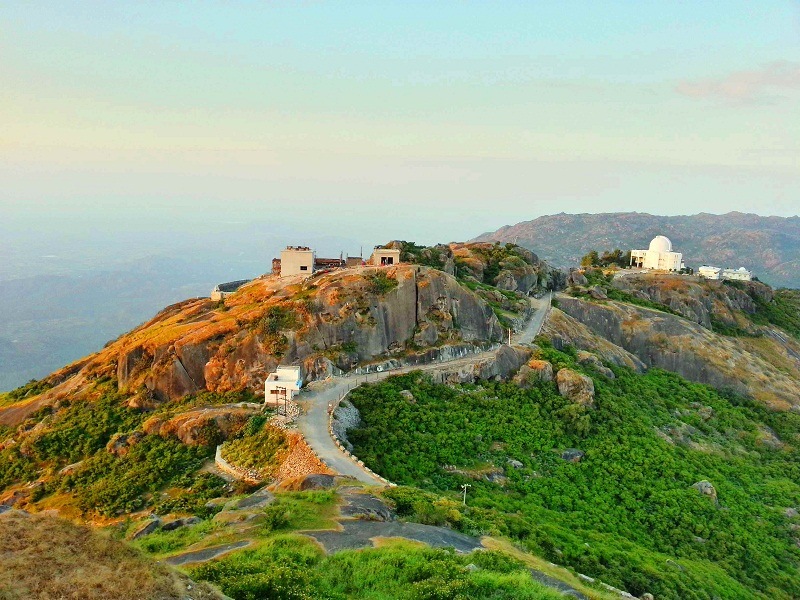
The Aravalli Hills are not just rocks; they are the 2-billion-year-old spine of India. Stretching nearly 800 kilometers, they stand as a silent warrior against the Thar Desert, protecting the fertile plains of Delhi and Haryana from total desertification.

Ecologically, they are indispensable. By influencing monsoon patterns and recharging underground aquifers, they ensure that millions have water to drink and air to breathe in one of the world's most polluted regions.
The Peaks of Significance
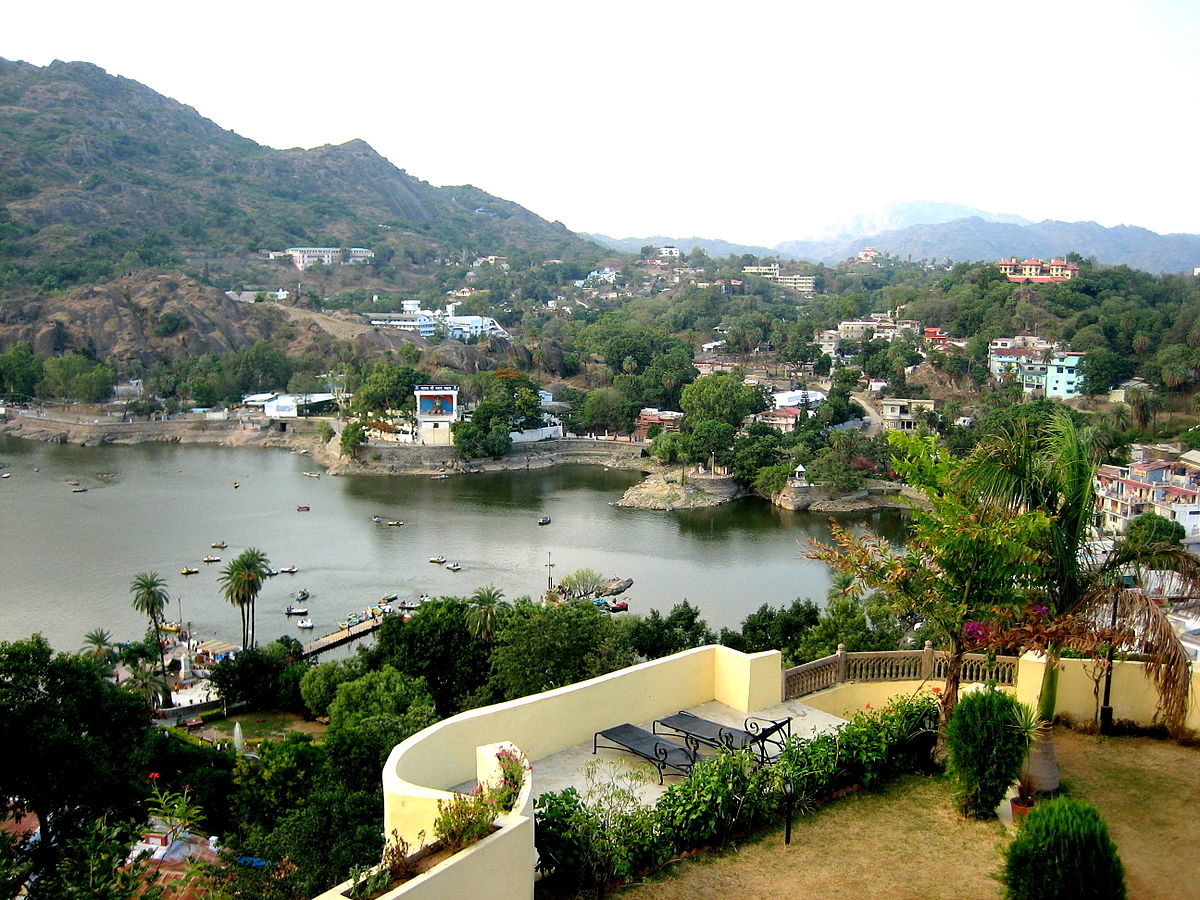
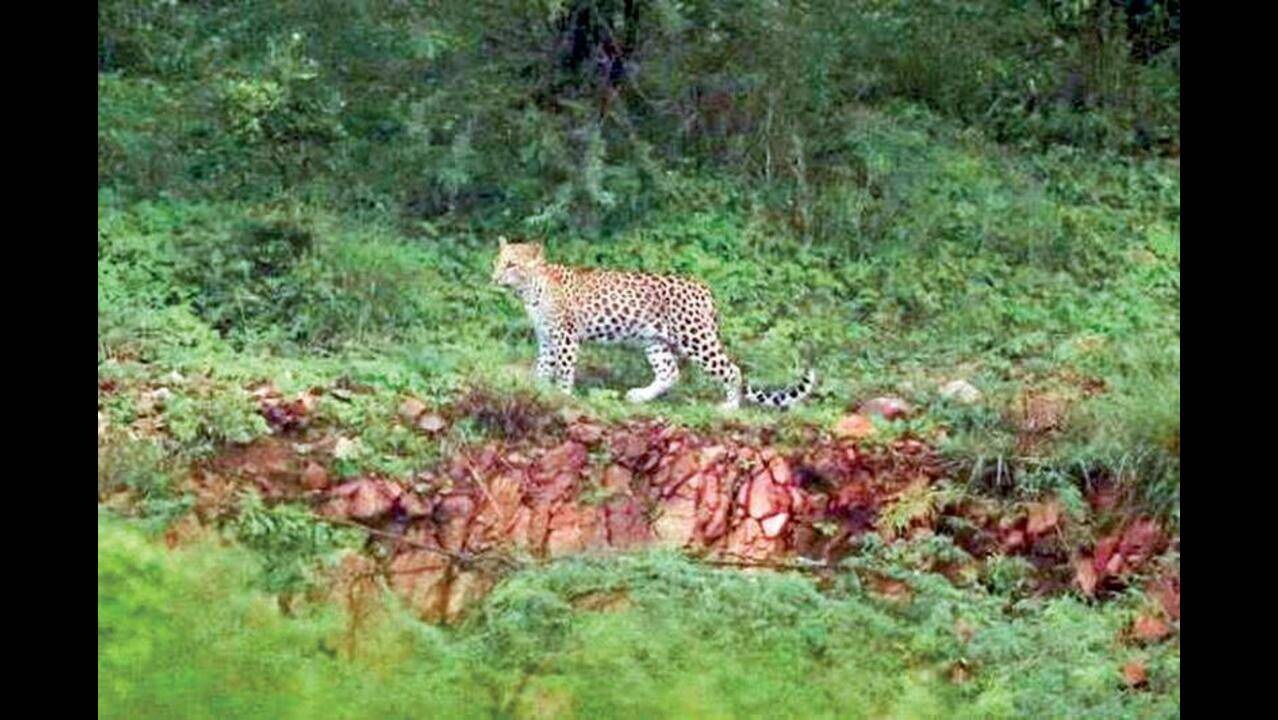
From the sacred heights of Guru Shikhar to the hidden lakes of Mount Abu, the range offers a sanctuary for life. It is here that leopards still roam and ancient forests breathe amidst the heat of Rajasthan.

The 2025 Legal Battle
As of late 2025, a dark cloud hangs over the range. The Supreme Court's acceptance of a new definition—classifying only landforms over 100 meters high as "Aravalli Hills"—has sparked national outrage. Environmentalists warn that this creates a legal loophole for miners to flatten the lower hillocks, effectively destroying the range's ecological integrity.
#SaveAravalli has become more than a hashtag; it is a battle cry from Jaipur to Delhi as citizens fight against illegal mining and a "death warrant" for these ancient hills.
Evidence of Destruction
The impact of unchecked mining is already visible. Over 30 hills have vanished entirely in the Alwar region, leaving behind scarred landscapes and depleted water tables.


Conclusion: A Call to Protect
We cannot afford to lose the Aravallis. Protecting this range is not just about saving trees; it's about our own survival—our water security, our climate, and our history. The time for a dedicated anti-mining law and strict ecological protection is now.

Comments
Post a Comment